
The fleets
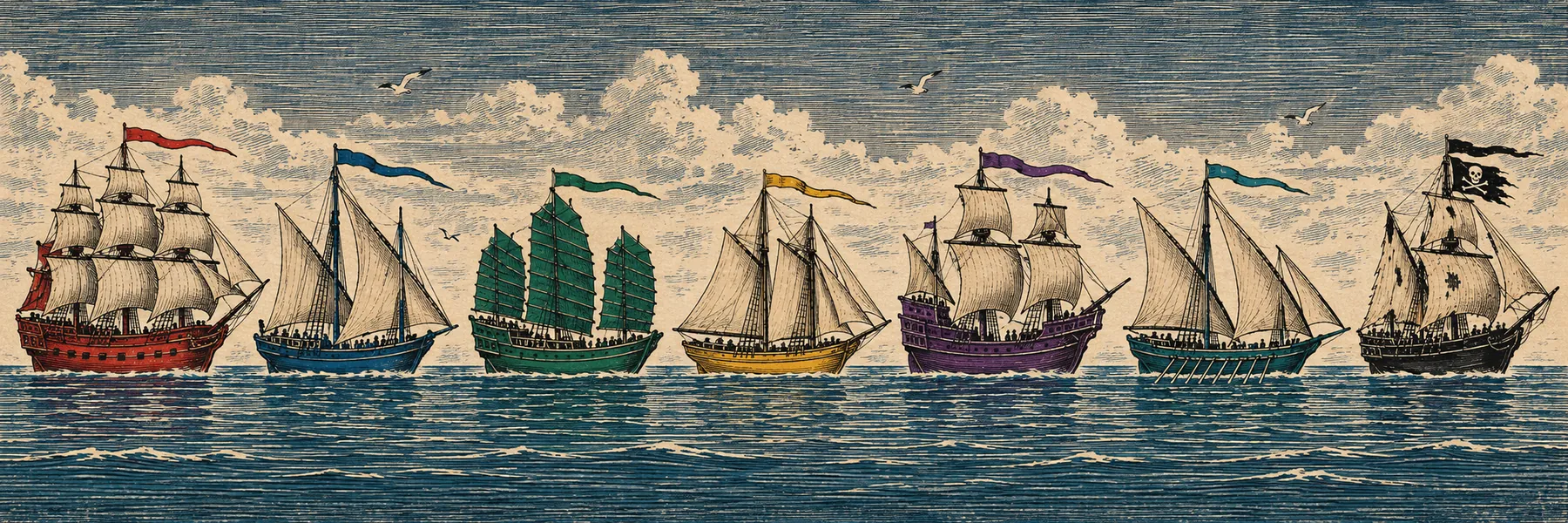
Six navies and one pirate crew share the archipelago. Each takes its hulls and rigging from a real seafaring tradition, and every one of them carries the same 14 ships.
The same ships under every flag
Nothing about a fleet changes how it plays. The Square-Riggers' First Rate is a 7, and so is the Junks'. Every fleet has the same 14 ships, rank for rank, so the captain decides the battle and you can choose a fleet for the look of it.
The fleets and their flags are invented for the game, and no real nation stands behind any of them. The hulls are real: each rig below is drawn from ships that sailed, and the links go to the museum pieces and records the drawings learned from.

Square-Riggers
Three masts of stacked square sails, a jib run out on the bowsprit, and tiers of gun decks.
The Square-Riggers are drawn from the battle fleets of the eighteenth century, when a navy counted its strength in ships of the line: big three-masted ships built to fight in a line, broadside to broadside. Navies rated their ships by size and guns, and the first rates stood at the top, three-deckers of a hundred guns or more, like the model of a 100-gun first rate of 1735 at Greenwich.
HMS Victory is the one you can still walk aboard. Designed by Sir Thomas Slade and launched at Chatham on 7 May 1765, she carried 104 guns and was Nelson's flagship at Trafalgar on 21 October 1805. She has stood in dry dock at Portsmouth since the 1920s and is still a commissioned ship of the Royal Navy (Royal Museums Greenwich).
In the game the Square-Riggers' 7 is that ship. Nothing afloat outguns her, and her one weak spot is a Privateer that attacks her.

 First Rate
 Ship of the Line
 Frigate
 Sloop
Sloop Boarding Party
 Cutter
 Privateer
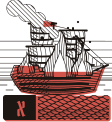 Fireship
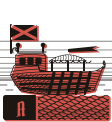 Admiral

Lateens
Long slanting yards on raked masts, carrying four-sided lateen sails with the peak aft.
The Lateens take their shape from the dhows of the Persian Gulf, wooden ships whose sails hang from long yards slung at a slant across the mast. The game draws them as settee sails: lateens with the forward corner cut away to make four sides.
The National Maritime Museum at Greenwich holds a model of a sambuk, a two-masted dhow of the kind used for pearling and fishing in the Gulf. Her settee sails are furled, and along her sides lie twelve square-ended oars used when pearling: the divers rested on ropes hung over them between dives.
No navy ever sailed under the Lateens' flag. The fleet borrows a rig that worked the Gulf for cargo, pearling and fishing, and gives it one invented ensign.

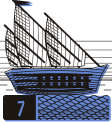 First Rate
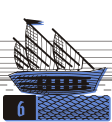 Ship of the Line
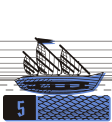 Frigate
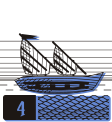 Sloop
Sloop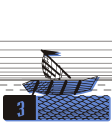 Boarding Party
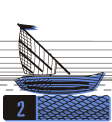 Cutter
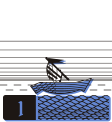 Privateer
 Fireship
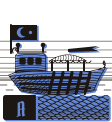 Admiral
Junks
Battened fan sails, and a high stern over a heavy rudder.
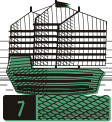
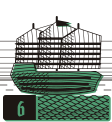
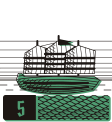
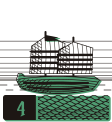
The Junks follow the war junks of the south China coast. Their sails are stiffened by battens across their width, which is why the drawings show them as fans of narrow panels, and their sterns rise high over the rudder.
Greenwich holds a model of a K'uai-tu, a Chinese fighting junk whose name suggests quick leaping. She carries five pivot guns and a deck mortar, eighteen oars, four sets of spears along her gunwales, and eight round shields hung down her sides. Her rudder is pierced with holes, a feature of craft from Kwangtung, today's Guangdong.
The game's Junks carry those battened sails at every rank, from the First Rate down to the Privateer.

 First Rate
 Ship of the Line
 Frigate
 Sloop
Sloop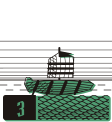 Boarding Party
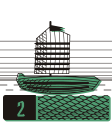 Cutter
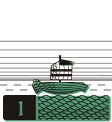 Privateer
 Fireship
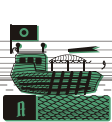 Admiral

Gaffs
Gaff mainsails with a square topsail and a jib on a long bowsprit: small, quick and handy.
The Gaffs are drawn from the cutters and schooners of the British coast. The early cutter rig was a big gaff-and-boom mainsail, a square topsail, a foresail on the forestay and a jib at the end of a long bowsprit: a lot of sail for a small hull and a small crew.
Cutters were fast and easily handled. Revenue services kept large numbers of them to patrol the coast for smugglers, and the Royal Navy, which kept few in peacetime, hired or bought them in great numbers in war to hunt privateers in the Channel and the North Sea, where speed and a shallow draught let them work close inshore, in creeks and estuaries (model of a 12-gun cutter of about 1763).
That is the game's Cutter in every fleet: the one ship that may sail up to 3 cells in a line, and the one that carries a spyglass.
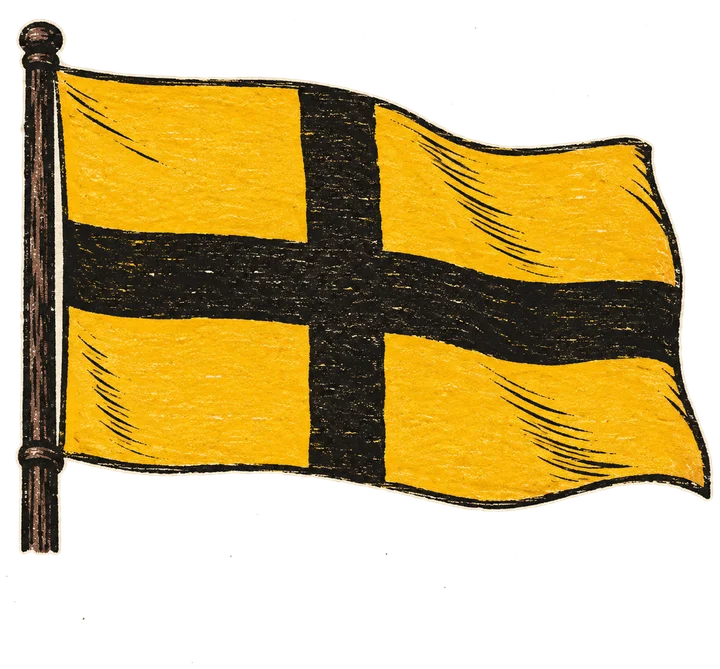
 First Rate
 Ship of the Line
 Frigate
 Sloop
Sloop Boarding Party
 Cutter
 Privateer
 Fireship
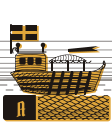 Admiral

Carracks
A towering forecastle over the bow, a stepped sterncastle, one great square course with a topsail, and a lateen mizzen.
The Carracks look back more than two centuries before the Square-Riggers, to the great armed merchant ships Portugal sent on the East Indies trade in the sixteenth century, the nau with castles fore and aft.
A panel painted around 1540, Portuguese Carracks off a Rocky Coast, is thought to show the Santa Catarina, built of teak at Cochin in India in 1510, carrying the Infanta Beatriz of Portugal to Villefranche in 1521 for her marriage to the Duke of Savoy, though the identification is debated. Her mainsail is the largest sail in the picture, lengthened with two bonnets for fine weather, and her sterncastle held the Infanta's quarters.
The Carracks and the Xebecs came aboard with the six-captain hex chart, as the fifth and sixth fleets.

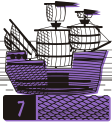 First Rate
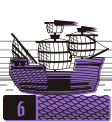 Ship of the Line
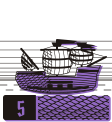 Frigate
 Sloop
Sloop Boarding Party
 Cutter
 Privateer
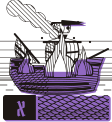 Fireship
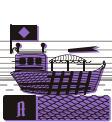 Admiral
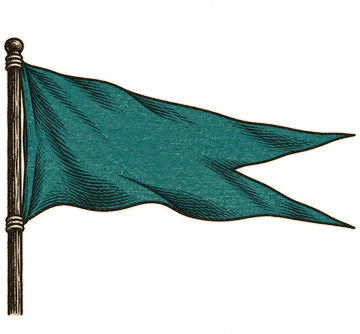
Xebecs
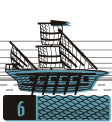
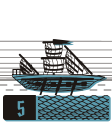
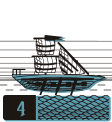
A long, low hull with a beak at the bow, lateens fore and mizzen, square sails on the main, and sweeps between the guns.
The Xebecs are the Mediterranean's raiders. The xebec was a family of small ships rather than one design, grown out of the galley: a narrow hull sitting low in the water, a prominent beak, a platform reaching out over the rudder, and three masts, usually all lateen-rigged and sometimes square-rigged on the fore and main. She carried small guns on her main deck and oars for a calm (Channel Islands Maritime Museum).
She was highly manoeuvrable and well suited to boarding. Barbary pirates used her often, and European navies on a smaller scale. One Spanish xebec frigate, El Gamo, 32 guns and 319 men, was boarded and taken in May 1801 by Lord Cochrane's brig Speedy with fourteen 4-pounders and 54 men. The history page tells how.
The game draws the polacre form of the rig: square sails on the main between two lateens.

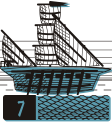 First Rate
 Ship of the Line
 Frigate
 Sloop
Sloop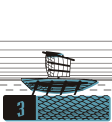 Boarding Party
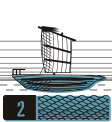 Cutter
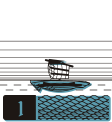 Privateer
 Fireship
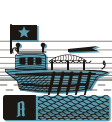 Admiral

Buccaneers
Black hulls, bone-white sails worn ragged, and black pennants.
The Buccaneers are the pirates of the early eighteenth century, the years Blackbeard sailed, and Blackbeard's own flagship was a prize. Late in 1717, off Martinique, Blackbeard's two sloops took the French slave ship La Concorde. He kept her as his flagship and renamed her Queen Anne's Revenge, and by the next summer she was described as a ship of forty guns with three sloops in company. She ran aground at what is now Beaufort Inlet, North Carolina, around 10 June 1718 (Queen Anne's Revenge Project).
Their ships run from a captured frigate down to quick sloops and a sailing canoe, and their Admiral keeps to a small boat under the black flag.

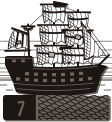 First Rate
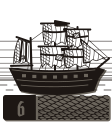 Ship of the Line
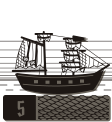 Frigate
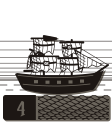 Sloop
Sloop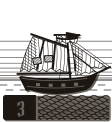 Boarding Party
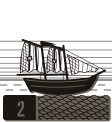 Cutter
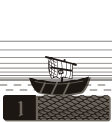 Privateer
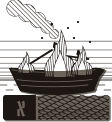 Fireship
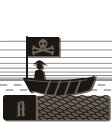 Admiral
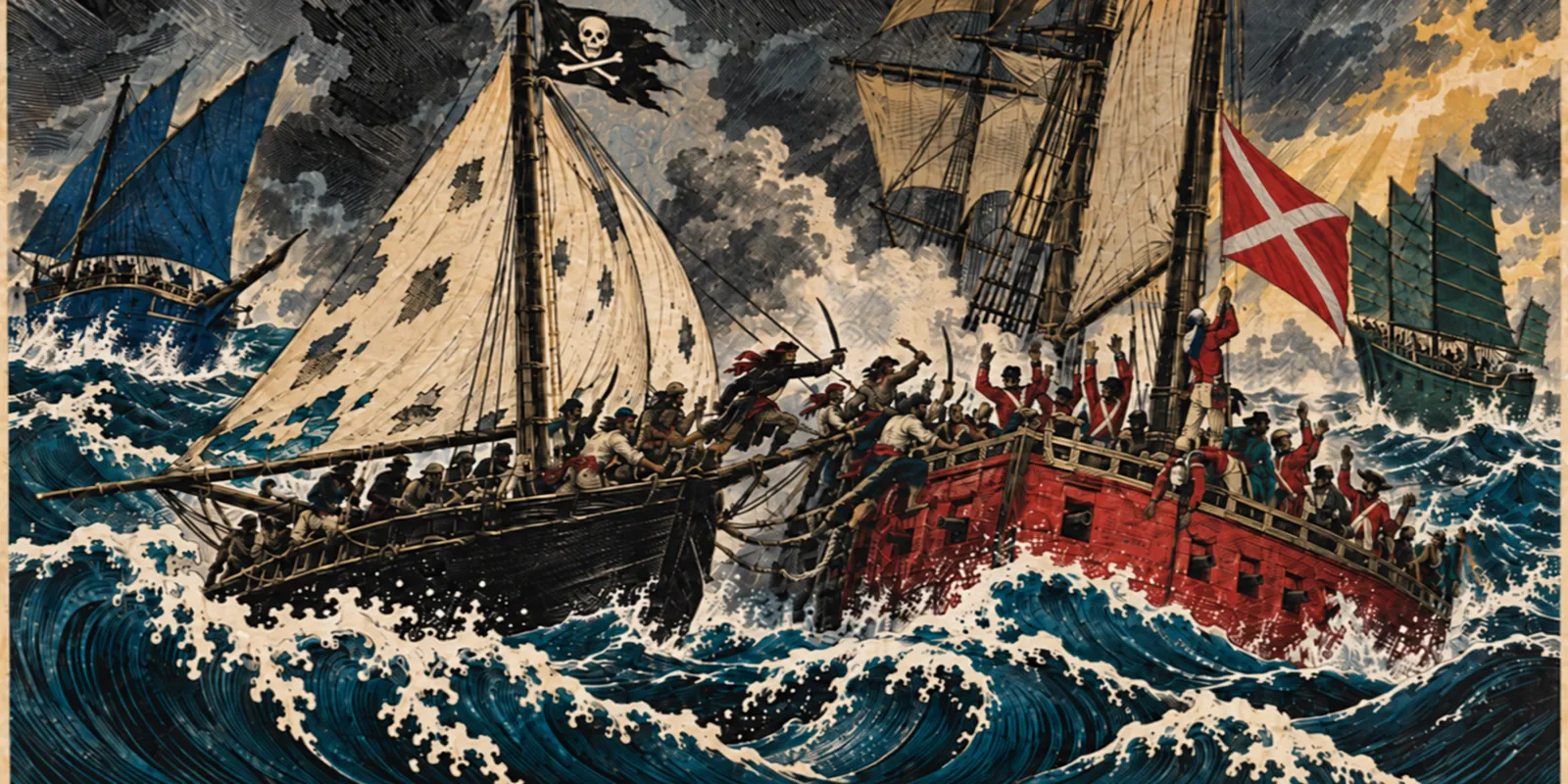
Pirates!
The Buccaneers are the pirate's fleet in Pirates!, the black flag mode. One captain is the pirate; everyone else is one alliance of navies, three on the square chart and two to five on hex.
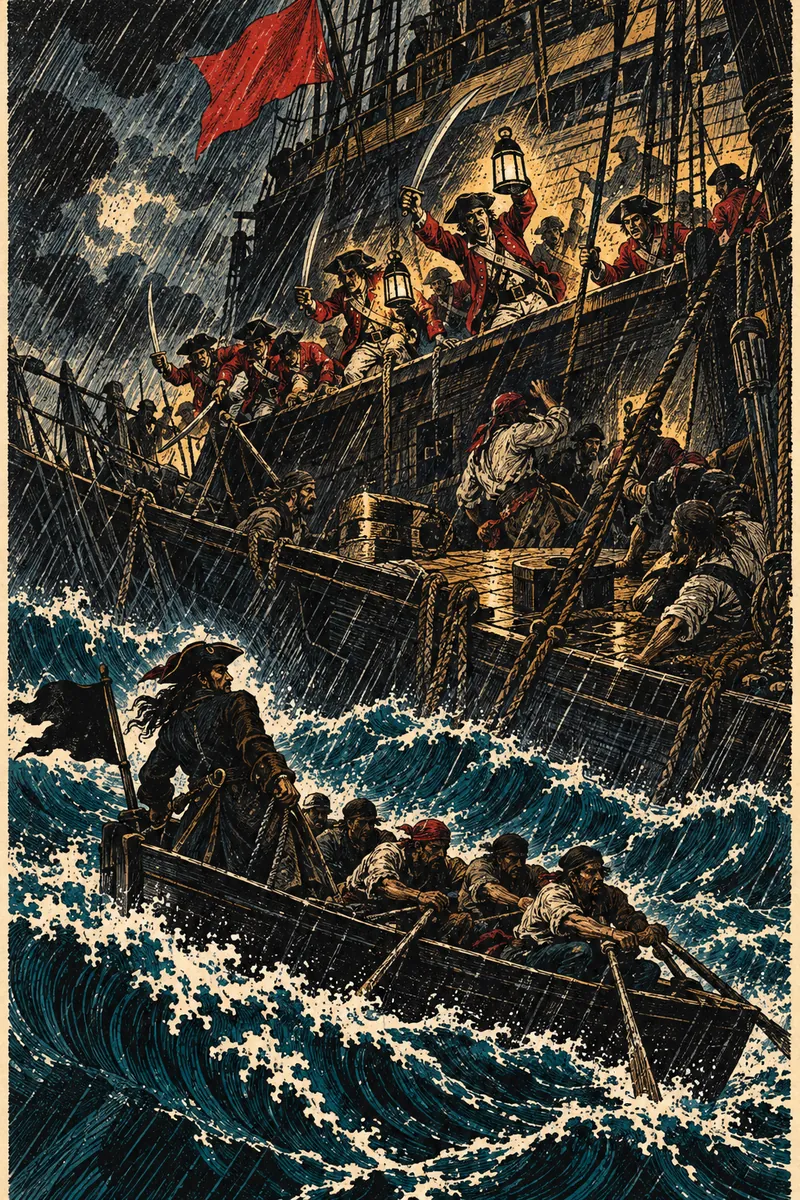
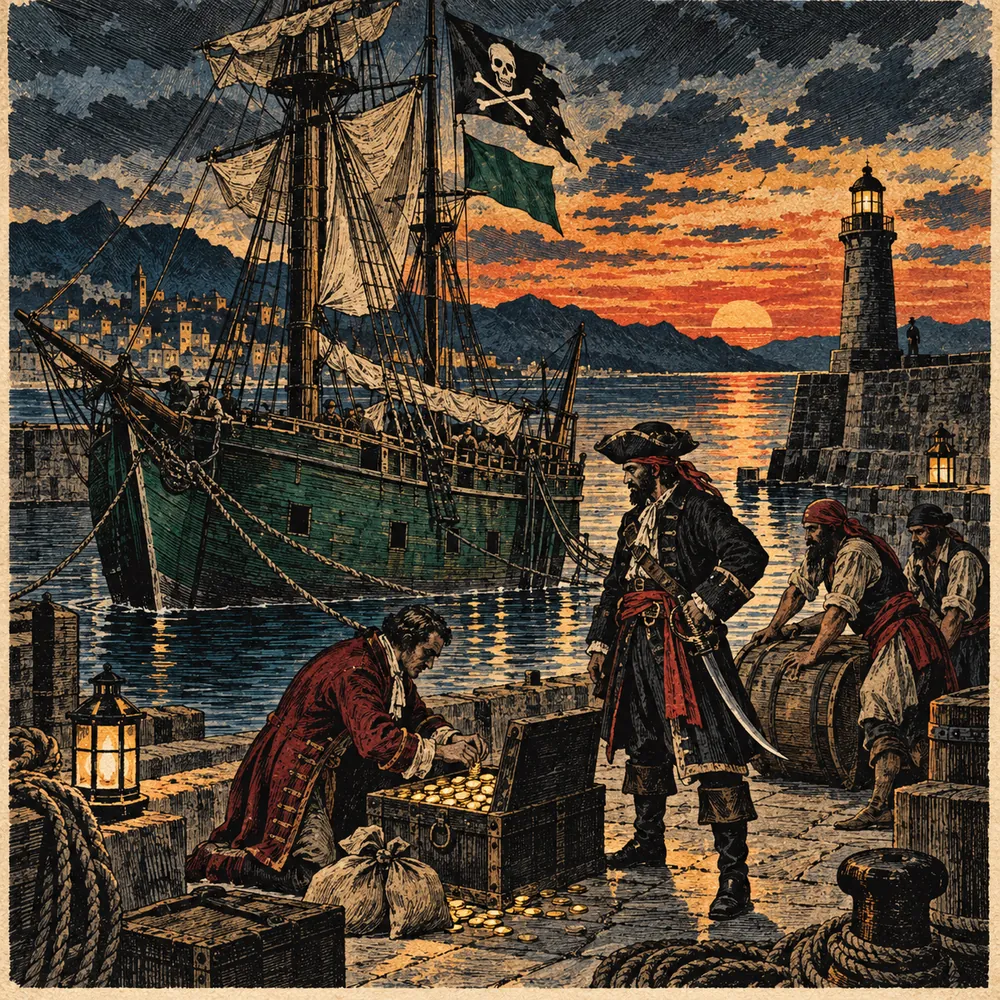
When a pirate ship attacks and wins, she does not sink the beaten ship. She takes her as a prize: the prize turns black, her rank is shown to everyone, and she sails for the pirate once her new crew is aboard. Bring a prize onto a harbor or the Capital and she is sold for her rating. That is the pirate's plunder.
A navy ship that beats a prize takes her back. The pirate wins by reaching the plunder target; the alliance wins by taking the pirate's Admiral.
- 4
- orders a round for the pirate
- 4
- prizes held at once, at most
- 1
- round before a prize's new crew can sail her
- 12
- plunder to win on the square chart, 9 on hex
- 1
- escape for the pirate's Admiral: beaten, she slips away and is then known to all
Choose a flag and sail
Play a fleet against computer rival captains in your browser, or print the charts and the standing ships and play at a table. The history behind the ships is a page of its own.